
 Available For Emergencies
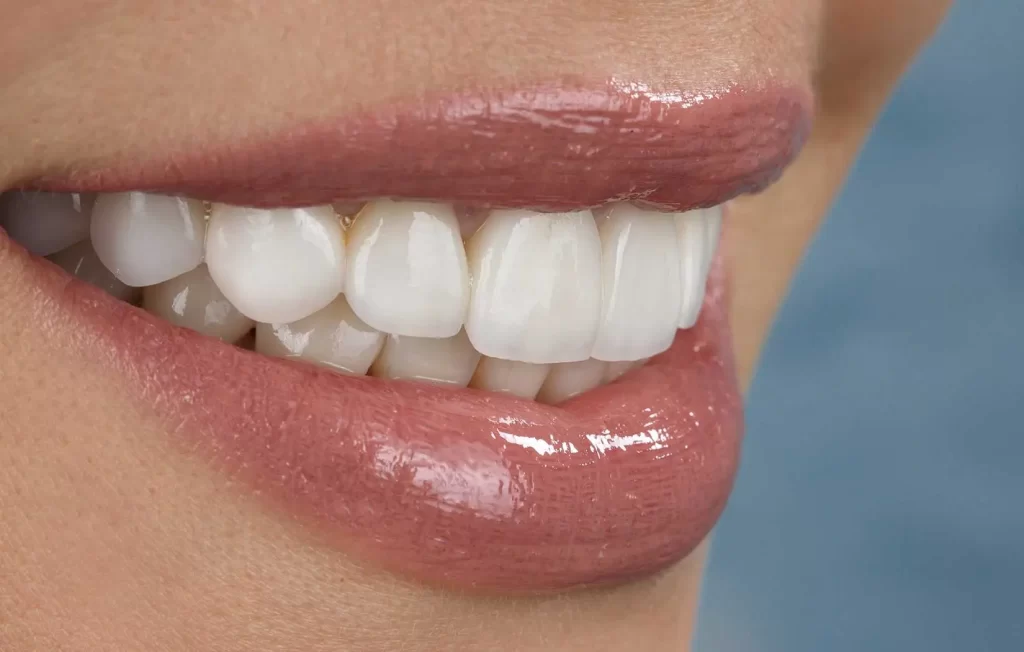
When considering veneers as a cosmetic dentistry solution, one of the first questions that naturally arises is about longevity. Are veneers truly a lasting investment, or will you find yourself needing replacement in just a few years? The encouraging reality is that modern veneers, when supported by quality materials and diligent maintenance, frequently remain in excellent condition for 15 to 20 years or longer. Understanding the factors that influence this timeline empowers you to maximize your investment.
Key Takeaways
- Porcelain veneers generally maintain their integrity for 15 to 20 years with appropriate maintenance, while composite veneers typically require replacement after 5 to 10 years.
- Consistent oral hygiene practices, including brushing and flossing, significantly impact the longevity of your veneer investment.
- Nocturnal grinding and jaw clenching represent among the most damaging threats to veneer durability.
- Although veneers themselves are resistant to decay, the underlying tooth structure remains vulnerable to cavity development along the margins.
- Consistent professional dental evaluations allow early detection and intervention before minor issues escalate.
Understanding Veneer Longevity by Type
The lifespan of your veneers depends significantly on which material your dentist recommends. Porcelain veneers represent the gold standard for long-term cosmetic dentistry outcomes, typically remaining vibrant and functional for 15 to 20 years. Many patients enjoy even extended longevity beyond these timeframes when they maintain consistent care protocols. The durability stems from porcelain’s inherent strength combined with the precision of the bonding technique.
Composite veneers provide a more economical and expedited alternative but sacrifice some longevity in the process. These restorations generally require replacement or significant repair within 5 to 10 years. Your decision between porcelain and composite typically balances considerations of budget constraints, timeline expectations, and your personal preferences regarding durability.
Primary Factors Influencing Veneer Durability
Multiple interconnected factors determine how successfully your veneers will age. Recognizing these elements allows you to make informed decisions that extend your restoration’s lifespan.
- Oral Hygiene Practices: Twice-daily brushing and consistent flossing safeguard both the veneer surface and the underlying tooth structure from accumulating bacteria and debris.
- Nocturnal Jaw Clenching and Grinding: Bruxism places tremendous force on porcelain restorations during sleep, representing perhaps the most significant threat to longevity. A protective nightguard can mitigate this risk substantially.
- Dietary Considerations: Hard, brittle foods such as ice chips, popcorn kernels, and hard candy pose significant fracture risks and should be avoided with veneered teeth.
- Professional Monitoring: Regular dental examinations and professional cleanings identify emerging issues such as margin separation or surface deterioration before they necessitate intervention.
- Quality of Initial Placement: The precision of tooth preparation and the strength of the initial adhesive bond establish the foundation for your restoration’s long-term success.
Recognizing Early Warning Signs
Veneers rarely fail abruptly without providing advance notification. Most problems develop gradually, offering opportunities for early intervention if you remain attentive. Warning indicators include a rough or irregular texture along the veneer’s edge, heightened sensitivity within the veneered tooth, subtle color changes along the gumline, or any perceptible movement of the veneer when probed with your tongue.
Observable damage, including chips, fractures, or persistent discoloration unresponsive to professional polishing, also warrants professional evaluation. Addressing these concerns during routine dental appointments typically results in simpler interventions compared to the complications arising from delayed treatment.
The Inevitable Path to Replacement
Despite exemplary care and maintenance practices, dental restorations ultimately reach the end of their functional lifespan. The adhesive bond gradually weakens over the course of many years. Porcelain surfaces experience microscopic wear patterns. Gingival recession associated with aging exposes additional natural tooth structure at the veneer margin. While each change occurs incrementally, the cumulative effect eventually necessitates replacement.
Fortunately, veneer replacement represents a substantially simpler procedure than original placement. Your dentist carefully removes the existing restoration, examines the underlying tooth for any decay or damage, and bonds a new veneer utilizing contemporary materials and techniques. Many patients observe that the replacement procedure feels considerably less involved than their initial experience, and the aesthetic outcome frequently surpasses the original result.
Maximizing Your Veneer Investment
Specific behavioral choices meaningfully extend veneer longevity. Selecting a soft-bristled toothbrush and applying gentle pressure prevents microscopic damage to the porcelain surface. Utilizing a non-abrasive toothpaste formulation eliminates surface scratching concerns. Consciously avoiding hard, sticky, or excessively chewy foods on veneered teeth prevents the fractures and displacements that necessitate premature professional intervention.
Patients who experience nocturnal grinding or clenching gain substantial benefit from a custom-fabricated nightguard. Bruxism represents one of the primary causes of premature veneer wear and failure. Discussing this concern during your initial consultation and utilizing protective equipment represents a proactive investment in your restoration’s longevity.
Creating a Lasting Smile Investment
Veneers are among the most dependable long-term solutions in contemporary cosmetic dentistry. The ultimate lifespan, however, rests substantially within your control through consistent maintenance, protective habits, and regular professional supervision. The distinction between a 10-year result and a 20-year result frequently comes down to the daily choices and preventive measures you implement. Most patients discover that their veneer investment repays itself many times over throughout the years before replacement becomes necessary.
- If you want to learn more about veneers, visit our Veneers in South Gate page or schedule a consultation.